

Becoming a professional skipper can open doors to a dynamic and rewarding career at sea. From navigating vessels to managing crews, a skipper’s role is multifaceted, requiring both technical expertise and strong leadership skills. This guide outlines the essential steps to kickstart your skipper career, including certifications, skills development, and networking strategies.
A skipper is more than just the person at the helm, they are the leader, the decision-maker, and the person responsible for the safety and success of every voyage. Whether you aim to work in commercial charters, private yachts, or competitive racing, understanding the path to becoming a skilled skipper is crucial.
Understanding the Skipper Role
A skipper is responsible for the overall command of a vessel, ensuring safe navigation, effective crew management, and passenger comfort. They are tasked with plotting courses, monitoring weather conditions, and adhering to maritime laws. The role varies depending on the type of vessel and the nature of the voyage. Some skippers manage private yachts, while others operate commercial charters or competitive racing boats. Each role requires a unique set of skills and expertise, but all demand strong leadership, crisis management, and navigation abilities.
The diversity in skipper roles allows for specialization. Some skippers focus on coastal trips, mastering near-shore navigation, while others pursue offshore adventures, navigating long distances in open waters. Commercial skippers may work with ferry companies or fishing vessels, while private skippers often manage luxury yachts for affluent clients. Identifying your preferred type of skipper role can help you focus your training and career path effectively.
The Path to Certification
To become a recognized professional skipper, acquiring specific certifications is essential. The most widely recognized programs include the Royal Yachting Association (RYA) Coastal Skipper and Yachtmaster qualifications. These courses cover crucial skills such as seamanship, navigation, and vessel handling. Completing the International Certificate of Competence (ICC) further validates your ability to operate vessels internationally.
Another critical certification is the STCW (Standards of Training, Certification, and Watchkeeping), which is mandatory for those working on commercial vessels. This training covers essential safety procedures, including firefighting, first aid, and survival techniques. Research the licensing requirements in your country, as some regions may require additional endorsements or local exams.
Choosing the right training program depends on your goals and intended sailing areas. Some programs emphasize coastal navigation, while others focus on offshore and long-distance sailing. Prioritize practical training that includes real-world scenarios to gain hands-on experience under the guidance of seasoned instructors.
Developing Key Skills
A successful skipper must master a range of skills that go beyond navigation. Communication is vital, as a skipper must clearly convey instructions to the crew and keep passengers informed during each voyage. Leadership is equally important; a skipper must coordinate tasks, resolve conflicts, and maintain order on board, even in challenging situations.
Crisis management skills are essential, particularly in adverse weather conditions or mechanical failures. Skippers must remain calm under pressure, making swift, effective decisions to ensure the safety of everyone on board. Navigation skills are also critical, involving proficiency in reading charts, interpreting weather forecasts, and utilizing GPS systems effectively.
Building these skills requires continuous practice. Taking part in crew roles, shadowing experienced skippers, and participating in training exercises can help you develop confidence and competence in real-world maritime scenarios.
Gaining Practical Experience
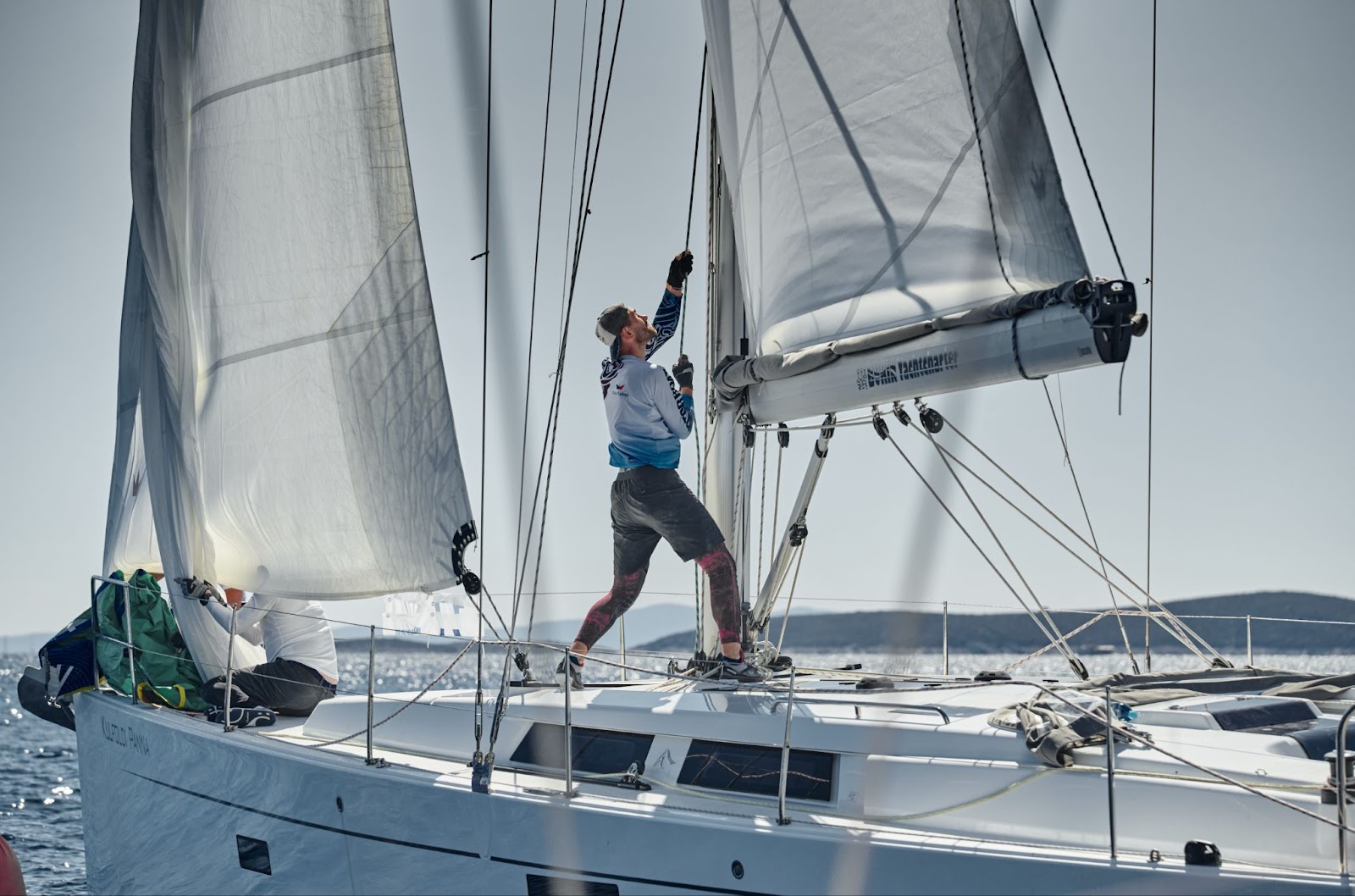
Experience is invaluable in the maritime industry. To build a credible skipper profile, seek opportunities to work as a deckhand or crew member. These entry-level roles provide exposure to vessel operations, from basic maintenance to route planning and emergency drills.
Another effective way to gain sea time is through volunteer programs or apprenticeships. Many charter companies offer positions for aspiring skippers to assist in daily operations, providing hands-on experience while learning from seasoned professionals. Maintaining a detailed log of your sea hours is crucial, as many certifications require proof of practical experience.
Charter work also presents an opportunity to network with industry professionals, build a reputation, and secure recommendations that can open doors to more advanced skipper roles. The more diverse your experience, the more attractive you become to employers seeking skilled and adaptable skippers.
Building a Professional Profile
Creating a strong professional profile is essential for aspiring skippers. Your resume should clearly outline your certifications, sea time, and key skills, emphasizing relevant experience in navigation, crew management, and emergency response. A well-crafted cover letter can further showcase your passion for maritime work and your commitment to safety and professionalism.
Networking is equally important. Connecting with maritime professionals, charter companies, and brokers can lead to job referrals and mentorship opportunities. Attend industry events, join skipper forums, and maintain an active LinkedIn profile to increase your visibility.
Social media can also be a valuable tool. Sharing your sailing experiences, certifications, and achievements online can attract attention from potential employers and clients. Consider creating a personal website to display your qualifications, client testimonials, and a portfolio of past projects. A polished online presence not only establishes credibility but also makes it easier for recruiters to find you.

Challenges and Opportunities
While the skipper career path offers exciting opportunities, it is not without its challenges. Long hours at sea, unpredictable weather conditions, and the responsibility for passenger safety can be demanding. Skippers must stay focused, maintain composure, and effectively manage both crew dynamics and unexpected crises.
However, the demand for skilled skippers is growing, particularly in the charter tourism sector. Private yacht owners and charter companies are constantly seeking experienced skippers to ensure smooth and enjoyable voyages. With the right certifications and a solid professional profile, you can access lucrative opportunities and advance in your maritime career.
Becoming a professional skipper requires more than just technical knowledge—it demands strong leadership, practical experience, and continuous skill development. By completing essential certifications, gaining diverse sea time, and building a professional network, you can position yourself as a credible and reliable skipper. Take the first step today by enrolling in a skipper training program or seeking mentorship from experienced professionals. Your journey at sea is just beginning, and with determination and the right strategy, you can navigate your career toward success.


